Welcome to Parent Pixels, a parenting newsletter filled with practical advice, news, and resources to support you and your kids in the digital age. This week:
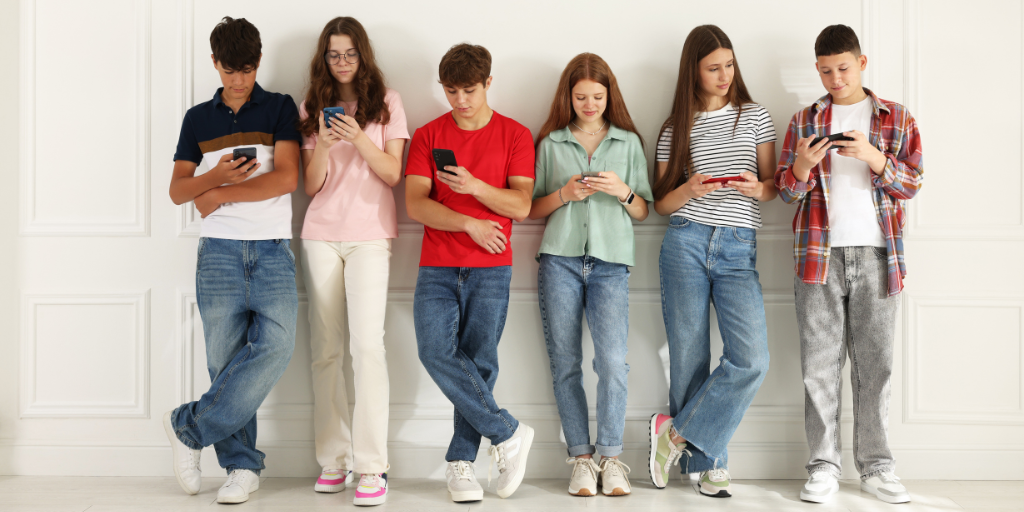
🇬🇧 The UK banned social media for kids. Is the US next? Prime Minister of the United Kingdom Keir Starmer recently announced that kids under age 16 will be banned from major social media platforms. The ban, which will take effect early next year, will include services with recommendation algorithms or where users can post content themselves — so messaging services like WhatsApp won’t be part of the ban, but TikTok, Snapchat, and Instagram definitely are. The UK’s ban also includes gaming: kids won’t be able to livestream, and there will be a block on functions that allow strangers to communicate with children. (Some platforms already have features like this, but it’s radically inconsistent.)
Do social media bans actually work? This policy is modeled after Australia, the first country to ban social media for teens — but results have been mixed there. The New York Times reports that six months into the ban, many teens are already back on Snapchat and Instagram due to inconsistent rollouts and the inherent difficulty of verifying ages online. Teens described easy workarounds, like drawing a mustache on their face for an age estimation scan or creating a new account with a fake birth date. Some Australian parents say the incoming generation of kids who aren’t yet on social media may benefit the most — and may stay off social media longer because parents feel more empowered to say no.
That’s the key here. Social media alone does not cause mental health issues, but it does increase the risk of exposure to dangers like bullying, drug use, predators, and explicit content. We’re past the age when parents can be hands-off about what their kids encounter online. Banning is like blocking: it helps prevent some dangers, but it doesn’t teach kids how to navigate the internet safely or what to do if someone harasses them online. Plus, social media bans are a false safety net: kids can still encounter concerning content in “safe” places, like text messages and WhatsApp.
Will the US ban social media? Recently, a US court ruled that Ohio can implement a law requiring social media companies to obtain parental consent before allowing children under 16 to use their platforms, a decision that will certainly be appealed. A national-level ban isn’t going to happen any time soon, though. In response to the UK social media ban, the US Embassy in London said it was concerned that regulations would place greater burdens on American technology companies. (We don’t think setting stricter rules for kids on social media is a burden, though.) Other proposed social media legislation, like the Kids Online Safety Act, is chronically stalled.
The best we can do right now is both: delay giving kids access to social media and smartphones, and teach them how to use their devices safely. That means setting boundaries around when devices can be used, monitoring their use with tools like BrightCanary, encouraging offline activities, and modeling healthy behaviors yourself. Easier said than done? Definitely. But we have to try.
Parent Pixels is a biweekly newsletter filled with practical advice, news, and resources to support you and your kids in the digital age. Want this newsletter delivered to your inbox a day early? Subscribe here.
Here are 5 conversations we’re having at home about social media, smartphones, and finding balance.
🗓️ Save the date for this Summer Digital Parenting Webinar series presented by our friends Digital Momming and OK to Delay! Get all the latest tips and tools for managing YouTube, iPad, Smart TV's, Routers and Video Game Gambling. The first webinar is on July 15.
🎮 Roblox has introduced new kids accounts, with chat disabled for kids younger than 9, age-checks required to chat, and stricter parental controls.
📧 Help someone else be the most informed parent in the room. Tell a parent to subscribe to Parent Pixels.