
Welcome to Parent Pixels, a parenting newsletter filled with practical advice, news, and resources to support you and your kids in the digital age. This week:
🤖 Character.ai to ban teens from talking to its AI chatbots: The chatbot platform recently announced that, beginning November 25, users under 18 won’t be allowed to interact with its online companions. The change comes after mounting scrutiny over how AI companions impact users’ mental health. In 2024, Character.ai was sued by the Setzer family, who accused the company of being responsible for his death. Character.ai also announced the rollout of new age verification measures and the funding of a new AI safety research lab.
Teens will still be able to use Character.ai to generate AI videos and images through specific prompts, and there’s no guarantee that the age verification measures will prevent teens from finding ways around them. If your teen uses AI companion apps: talk to them about the safety risks, use any available parental controls, and stay informed about how they interact with AI chatbots. And remember: for every app like Character.ai, there are countless others that aren’t taking the same steps to protect younger users.
Learn more about Character.ai on our blog, and use BrightCanary to monitor their interactions across every app they use — including AI.
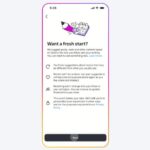
🚫 Instagram shows more disordered eating content to vulnerable teens: According to an internal document reviewed by Reuters, teens who said Instagram made them feel worse about their bodies were shown nearly three times more “eating disorder–adjacent” content. Posts included idealized body types, explicit judgment about appearance, and references to disordered eating.
Meta also admitted that their current safety systems failed to detect 98.5% of the sensitive material that likely shouldn’t have been shown to teens at all. While Meta says it’s now cutting teen exposure to age-restricted content by half and introducing a PG-13 standard for teen accounts, these findings highlight a major gap between company promises and real-world outcomes.
Parents shouldn’t wait for algorithms to get it right. If your teen uses Instagram:
Parent Pixels is a biweekly newsletter filled with practical advice, news, and resources to support you and your kids in the digital age. Want this newsletter delivered to your inbox a day early? Subscribe here.
Let’s talk about fandoms and why your teen might feel really attached to someone they’ve never met. Whether it’s a YouTuber who “gets them,” a favorite pop star, or an AI companion that feels like a friend, these relationships can make kids feel seen and part of a community. But they can also blur the line between admiration and obsession.
Use these conversation-starters to help your teen think critically about their online relationships:
👀 Elon Musk has launched Grokipedia, a crowdsourced online encyclopedia that is positioned as a rival to Wikipedia — but it’s still unclear how it works. Users have reported factual inconsistencies with Grokipedia’s articles, so now’s a good time to chat with your child about checking their sources.
😔 High schoolers are so scared of getting filmed that they’ve stopped dating. This piece from the Rolling Stone explains how the unchecked culture of public humiliation on social media is fueling mistrust among young men, making them hesitant to pursue relationships.
👋 We share even more parenting tips and resources on our Instagram. Say hi!