When it’s time to give your kid their own phone, do you give them the hand-me-down iPhone, or opt for a smartphone alternative?
A growing number of families are so concerned about the negative impacts of smartphones that they’re pledging to wait until the end of 8th grade to give their child their first smartphone. Some of the negative impacts of excessive smartphone use include poor sleep quality, declining academic performance, and worse mental health.
But delaying devices doesn’t mean leaving your kids in the dark. There are a number of ways your child can still stay connected. Here are six alternatives to smartphones for kids.
Dumb phones are stripped-down devices that include basic features like calling and texting but forgo the more advanced elements that you’ll find on a smartphone.
They typically include some of the conveniences of a smartphone, like a touchscreen, navigation, and music-playing capabilities, but they leave out the more problematic features like access to social media.
For an even more stripped-down experience, some families are turning to flip phones reminiscent of the early 2000s.
With a flip phone, your child won’t have any of the conveniences of modern communication technology that they might get with a dumb phone, but they also won’t get access to the internet, which some dumb phones include.
Flip phones are also having a bit of a moment with teens, so it might not be so hard to sell your child on the idea.
Smart watches allow kids to text and call preapproved contacts, access navigation tools, and make purchases without access to the internet or social media.
Most also include device tracking, so you can use it to keep tabs on your child’s whereabouts.
Gabb and Garmin both make products specifically designed for kids, or you can use parental controls to customize an Apple Watch for your child.
When my 10-year-old is going to be home alone, we always make sure the family iPad is fully charged. We can then use it to communicate with him over iMessage or FaceTime. He also has contact information for family and friends saved so he can connect with them on the device.
The system is a bit clunky, but it’s a reasonable stopgap, especially if your family already has a tablet.
If you want your child to have more functionality than a tablet or smartwatch when they’re home, but you don’t want to give them their own phone, consider a family cell phone.
The idea here is that it functions much like a landline of yore. That means you’ll want to strip it of all the things you don’t want your child to access and make it clear this is not a personal device.
It’s a good idea to have it stay in a designated spot so it doesn’t sneak into rooms or wander off and get lost.
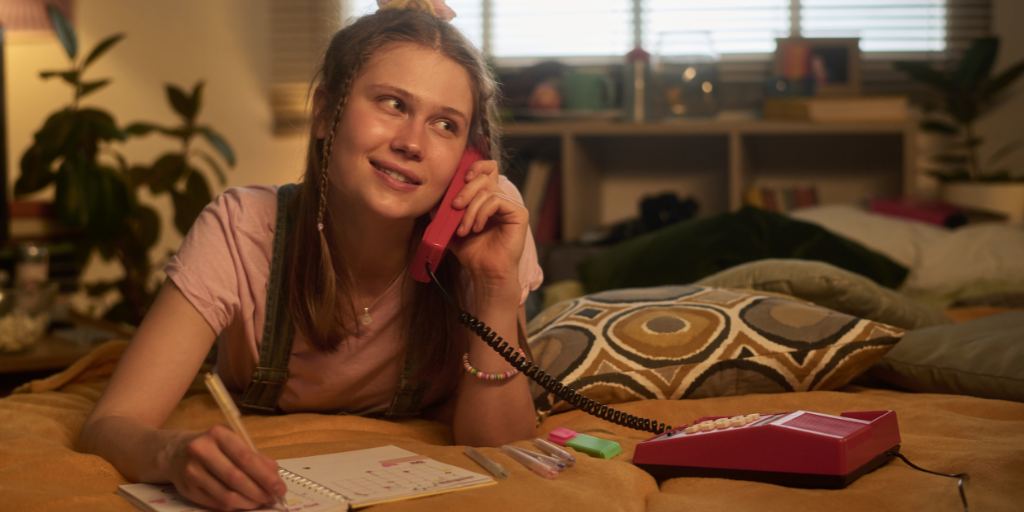
Much like flip phones, landlines are making a major comeback. The humble landline is an excellent way to help your child stay connected with friends without giving them a smartphone.
As a bonus, they get to practice the lost art of phone skills, which may give them a leg up as an adult.
There’s no reason alternatives to smartphones have to be digital. Here are some great, tech-free options:
There are many benefits to delaying the age at which a child gets their first smartphone, but holding off can leave kids and families with unmet communication needs. Dumb phones, smart watches, and landlines are all great alternatives to smartphones, as are old-fashioned methods like knocking on a friend’s door and arranging in-person hangouts.
If your child uses an Apple Watch or iPad as an alternative to a smartphone, BrightCanary can help you keep them safe with advanced monitoring tools. Our AI scans their activity and sends you an alert if they encounter any red flags. Download the app today to get started.