Welcome to Parent Pixels, a parenting newsletter filled with practical advice, news, and resources to support you and your kids in the digital age. This week:
⚖️ The Meta trial just started. Here’s why it’s a big deal.
Update as of 8/26/26: After we circulated this newsletter, news broke that Meta agreed to pay up to $17.1 B in a landmark settlement over social media addiction claims, effectively ending the bellwether trial referenced below. They also issued a call to TikTok and YouTube to join them in the implementation of their new child safety settings and announced the implementation of new safety updates across Meta properties, including a two-hour time limit for teen users, no overnight access, hidden likes and reactions for minors by default, and blocked “extreme makeup filters” for teens. More to come on this.
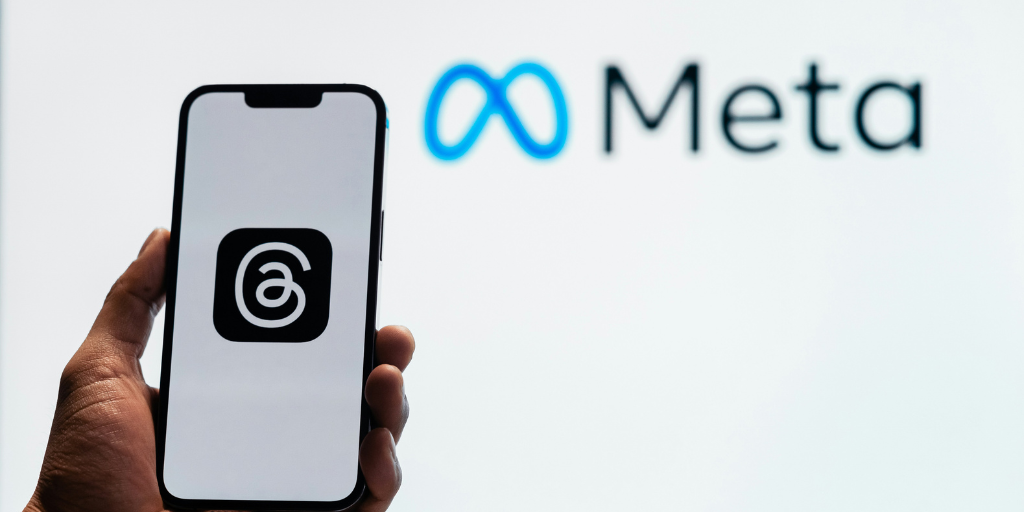
Another week, another lawsuit against Meta — but this is a big one. California, Colorado, Kentucky, and New Jersey opened trial against Meta in Oakland last week in what may be the most consequential legal challenge (aka: most expensive) to a social media company in history. Potential damages could reach $1.4 trillion, which is roughly equal to Meta’s entire 2025 annual revenue. The states allege that Meta intentionally designed Facebook and Instagram to be addictive for younger users, collected data on children under 13 without parental consent, and misled the public about the safety of its products.
This isn’t Meta’s first rodeo in court. In March, the company was ordered to pay nearly $1 billion to the state of New Mexico for allowing child sexual exploitation on its platforms. Separately, Meta was found liable for deliberately designing addictive products that harmed a young woman and was ordered to pay her more than $4 million.
Meta has denied all allegations, saying the states are “chasing an outlandish payout” and that the company has implemented youth safety features (which, we will just casually point out, were implemented years and years after Instagram’s launch). The trial is expected to last six to eight weeks, so nothing changes immediately. If the states prevail, Meta could be required to fundamentally redesign its products to make them safer for children — but Meta will almost certainly appeal any rulings. We’ll keep you posted either way. And in the meantime? Set up those Instagram parental controls.
🤖 ChatGPT launched a dedicated teen mode, so now it’s totally fine for homework (kidding). OpenAI recently announced ChatGPT for Teens, a dedicated experience for users ages 13–17 that includes stronger safety guardrails and study tools. If the system estimates a user is under 18 or the user indicates they’re a teenager, they’re automatically placed into the teen experience. Here’s what’s included:
Study Mode guides teens through problems using questions and step-by-step support, similar to their underpaid teacher. The goal is to encourage the teen to work through the problem, rather than take the shortcut to the answer (although, that option is always available). Study Hours lets teens or parents designate times when Study Mode is on by default.
The teen experience now applies age-appropriate protections on topics like self-harm, eating disorders, violence, and explicit content. ChatGPT for teens won’t use romantic language, encourage emotional dependence, or imply that it has feelings.
For parents with linked teen accounts: you can get Quiet Hours and receive safety notifications in certain high-risk situations, which is great, but those safety notifications failed in our testing. We’re also dubious about tools that put easy answers and shortcuts within reach. If your child is going to use AI for homework help, talk to them regularly about responsible AI use (scroll to Tech Talks for some examples), and monitor their use. BrightCanary makes it easy to see if your child is asking for the answers, rather than trying to figure things out themselves.
ChatGPT for Teens is a good reason to have a fresh conversation with your kid about how they’re using AI. Here are five places to start:
🎮 Roblox is under pressure. It’s a rough time for Roblox’s PR department. Australia’s online safety regulator secured a court-enforceable commitment from Roblox to strengthen child protections, including preventing adults from contacting children without parental consent and making children’s accounts private by default. At the same time, US Senators Josh Hawley and Dick Durbin announced a Senate Judiciary investigation into child sexual abuse on the platform, citing explicit content and connections to real-world abuse. If your child uses Roblox, keep this parental controls guide handy.
📱Senators demand answers from TikTok. Senators Marsha Blackburn and Richard Blumenthal sent a letter to TikTok executives demanding an explanation for a reported experiment in which the company intentionally withheld a safety feature from 10% of its users, subjecting them to potentially harmful content as a control group. One of the affected users was a 16-year-old who was reportedly shown thousands of videos about loneliness and suicide before he died by suicide in 2022. If you or someone you know is struggling, the 988 Suicide and Crisis Lifeline is available by call or text.
🗣️ Gen Z’s newest insult: “polyester.” It’s not a compliment. “Polyester” means something is low-quality or cheap. File this under words your kid might be using that you don’t know if you should be mad about yet.