Statistically, kids today are far safer out in the world than their parents were growing up. At the same time, the internet has introduced new risks that parents didn't have to contend with when they were young. Many parents overestimate the dangers their kids face outside of the home and underestimate the risks of online spaces.
The result is kids who are occupied by screens, without enough protections, instead of being encouraged to roam freely outside where they’re safer.
In this article, we’ll go over the facts about online safety versus real-world dangers, the negative impact on kids when parents get the equation wrong, and what to do about it.
Are kids safer online or offline?
The spaces that kids occupy outside the home are safer today than in decades past, while online dangers continue to increase. Let’s look at the facts:
Offline risks to kids are down
The chance of your child being kidnapped by a stranger is 1 in 720,000. To put it in perspective, a child is much likelier to be born a conjoined twin than to be snatched off the street.
The murder rate in the U.S. is lower than it was during the 1970s, ’80s, and ’90s, including a 12% drop in the past year — the biggest national decline on record.
As many as 83% of young people have been exposed to content promoting self-harm or suicide on social media.
What happens when parents underprotect kids online
Despite the risks, most parents underestimate the threats their children face online. Here are three ways getting it wrong could put your child in danger:
Predators. Undersupervised time online increases the risk your child will encounter sexual predators, who have adapted their grooming methods to fit online spaces.
Cyberbullying.Cyberbullying has a significant negative impact on children’s mental health; victims are more than twice as likely to engage in self-harm behavior. But only 8.9% of young cyberbullying victims report it to a parent or guardian, leaving kids who aren’t properly monitored online at risk of facing cyberbullying without support.
Harmful material. Exposure to material promoting disordered eating and self-harm increases the risks that your child will engage in those behaviors.
Why overprotecting kids offline can backfire
There are also major downsides to overprotecting children offline. Here are three to consider:
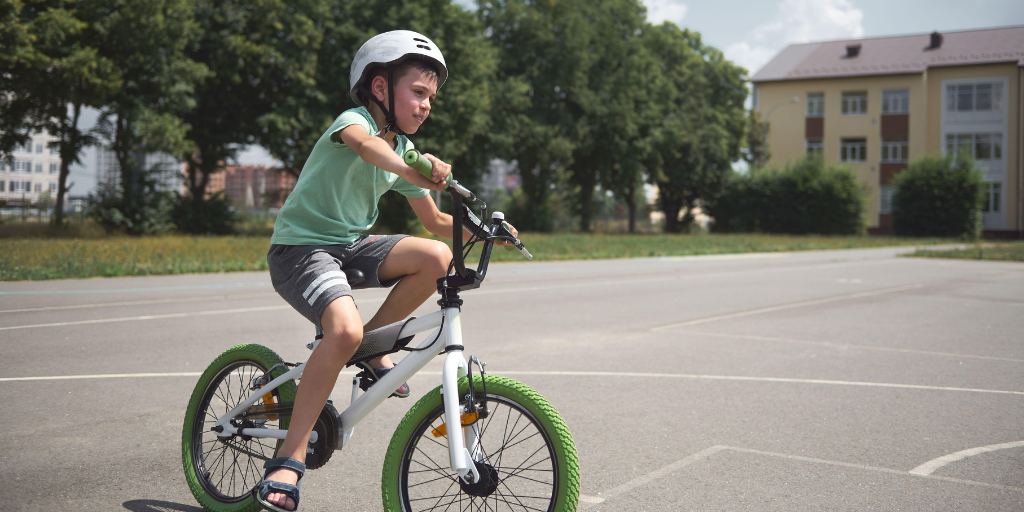
Decreased physical activity. When kids aren’t given the freedom and confidence to venture out on their own, they’re less likely to do physical activities like riding their bike, walking to a friend’s house, or running around in the yard.
Lack of self-sufficiency. Putting our kids in a bubble inhibits them from developing the skills they’ll need when they’re older.
Lower executive function abilities. Research shows that children who are given more freedom over their time have better executive functioning skills such as decision-making and memory.
How to keep kids safe online while giving them more freedom offline
Here are some tips on striking a better balance between online protection and offline freedom:
Create community. In some cases, it’s not that parents don’t want to give their child freedom. Overall, we lack the strong community networks that previous generations enjoyed, which made letting kids roam free an easier choice. Get to know your neighbors and band together with other parents in your community to encourage kids to spend time together.
Incentivize outside time. A friend of mine tells her kids they can come inside anytime, but when they do, it’s time to clean their rooms. Guess what they choose?
Teach independence skills. Show your kids safe routes to walk or bike to their friends’ houses, the corner store, or the park. Tell them what to do if they need help. Give them chores that help them practice independence, like taking the trash to the curb or walking their sibling home from school.
Monitor your child online. Practice regular digital safety check-ins and use a monitoring app like BrightCanary to make sure your child is staying safe online.
Final word
The world outside your house can feel like a scary place to send your children, but it’s actually online spaces that pose a far bigger threat. Giving your children more freedom offline helps them build important skills, while keeping a closer eye on them online helps them stay safe.
Help keep your child safe online with BrightCanary. Our advanced technology monitors everything your child types online and alerts you when there’s a problem. Download the app and get started today.
Be the most informed parent in the room. Sign up for digital parenting updates.
We've earned the APA Labs Digital Badge
BrightCanary is honored to earn this designation from the American Psychological Association (APA). This APA Labs Digital Badge reflects alignment with APA Labs criteria for scientific principles, safety, ethical use, and usability. It is not an endorsement nor guarantee of effectiveness. APA Labs does not independently test products.
Excellence in online safety
The Mom’s Choice Awards evaluates products and services created for children, families, and educators. The program is globally recognized for establishing the benchmark of excellence in family-friendly media, products and services. BrightCanary was recognized for our excellence in family-friendly online safety.