As an avid online thrifter, I’d never heard of Depop until my editor asked me to review it. Translation: Depop is for the youths, and I’m too old to know what it is. Maybe that’s true for you, too. If your child wants to use Depop, but you're left wondering, “What even is Depop?” or “Is Depop safe for kids?” — I looked into it so you don’t have to. Here’s what I found.
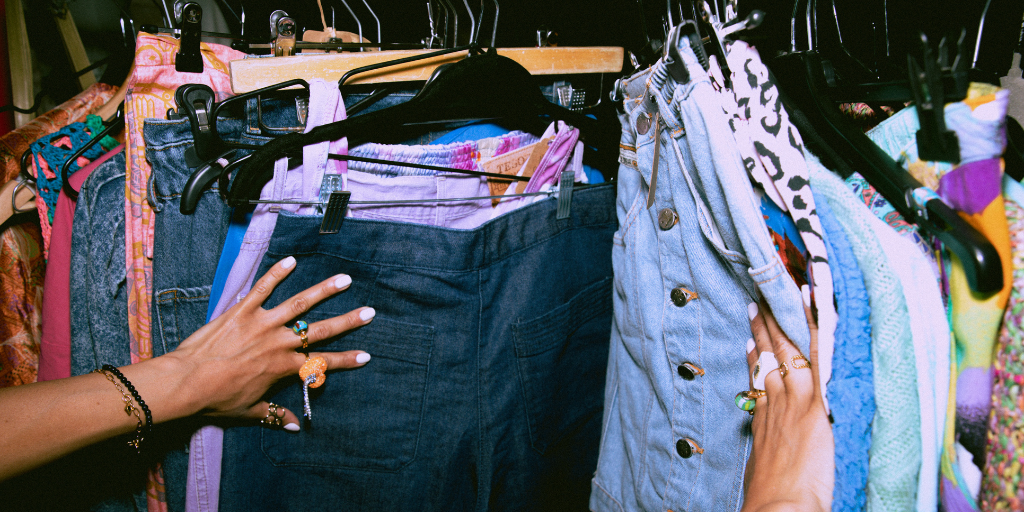
Depop is an online fashion resale marketplace that’s massively popular with the younger set. A whopping 90% of users are under 26, many of them teens.
Perhaps catering to its Gen Z base, Depop feels a lot like a social media platform. Users have a profile, complete with a picture and the option to link to other socials. They can “like” items, follow sellers, and DM other users.
Depop is a bit like a mashup of Instagram (without the parental controls) and eBay (with less robust protections).
Items on Depop are often offered at a steep discount of around 30-50% off retail. Some items, especially fast fashion, can be snagged for 80% less than new, while vintage, trendy, and hard-to-find items sometimes go for more than the original price tag.
Many teens turn to Depop for extra cash, offloading from their own closet or making bank by scooping up limited-edition items and flipping them on the site.
Gen Z on the whole is more focused on sustainable buying decisions than other generations, and used clothing has a substantially lower environmental impact (though there’s some nuance).
It might feel like the biggest risk from your kid using Depop is a sudden influx of packages on your porch or their questionable fashion choices (both very real), but the biggest danger comes from the fact that they’re buying and selling from strangers on the internet.
Users can DM each other (no images), even when not engaged in a transaction. If you know anything about child predators, it’s clear how a site populated by teens with a DM feature is a prime target. Predators can easily connect with your child over a perceived shared interest — “OMG, bestie, that dress is fire. Slay, baddie!” — gain their trust, and then lure them to another app and request explicit pictures.
Transactions completed through Depop include scam protection, but kids can still get duped. Common Depop scams include:
It’s just soooo easy to click that Buy Now or Add to Bag button, especially when you’re getting a good deal. But hundreds of dollars of clothing at 50% off retail is still hundreds of dollars.
Depop has zero parental controls and doesn’t require parental permission to buy or sell. I was able to get up and running with a test account for a 13-year-old in less than a minute.
Depop has no meaningful age verification.
If your child signs up for Depop through Google, and their Google account is set to their actual age, they’ll be informed they need parental permission to open an account. But all they need to do is pivot and sign up through email, then lie about their date of birth.
Despite the risks, Depop can be a positive place for kids. With a little vigilance, it can also be a safe one. Here’s what you should do:
Depop is an online clothing resale platform popular with teens. It’s possible for your child to use it safely, but you both need to understand the risks, like scams and predators. You should take steps to protect your child if they use Depop like teaching them safe online communication and monitoring their use.
Find out why thousands of parents trust their child monitoring to BrightCanary. Supervise your child across every platform and website, 24/7.