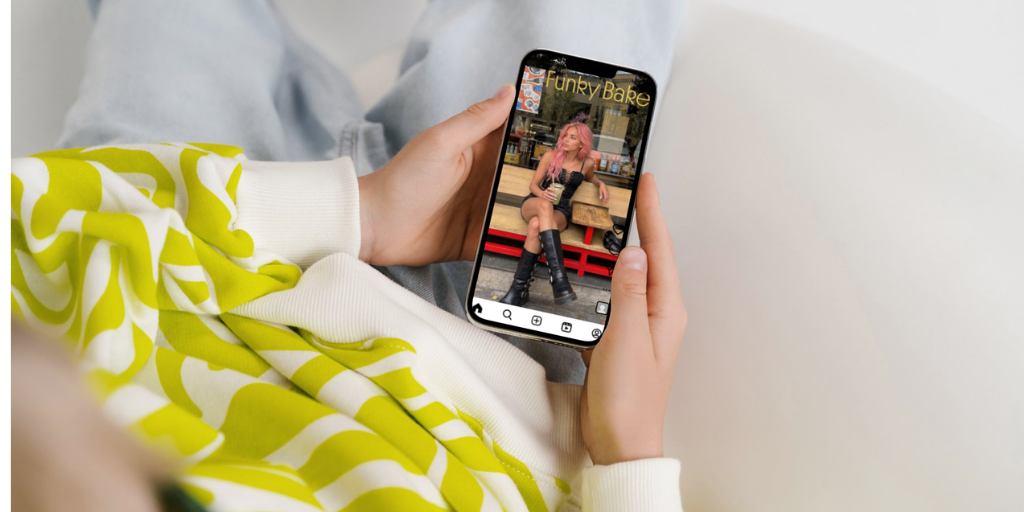
If you’re like me and are skeptical of AI and find most influencers cringeworthy, buckle up. AI influencers are officially a thing, and these synthetic salespeople are flooding your kid’s feed, likely without them realizing it.
AI influencers present risks to kids beyond generic exposure to AI slop. They also perpetuate unrealistic beauty and lifestyle standards and encourage parasocial relationships with amoral robots. If it’s not already obvious, I am not a fan of AI influencers. Here’s what I want you to know so you can protect your child.
AI influencers are computer-generated characters designed to function like human influencers. The individuals, agencies, and brands behind AI influencers maintain a social media presence for the entity in order to promote products, brands, lifestyles, or ideas.
AI influencers range from cartoonish and easy to spot, like Lu do Magalu, to naturalistic and harder to identify, like Aitana Lopez. They market fashion, makeup, technology, and more, and have deals with brands like Prada, Puma, and Samsung.
Besides the general ick factor, AI influencers present real risks for kids. For example:
Human influencers are often criticized for creating unattainable standards. For AI influencers, who are almost universally young, fit, and conventionally attractive, that risk is magnified. When kids are persistently exposed to AI influencers, they may become preoccupied with their appearance and go to extreme lengths to emulate these artificial creators.
Unlike their mortal counterparts, AI influencers don’t have a moral compass and don’t risk the same real-life backlash. This lack of integrity and accountability means AI influencers may post content or interact with kids who follow them in harmful and manipulative ways.
Unless the person or brand behind an AI influencer is transparent, it’s impossible to know who’s behind the account. This murkiness makes it difficult to discern intentions. Your child could be following an AI influencer run by a nefarious person who intends them harm, wrapped up in a perfectly polished package.
Parasocial relationships are one-sided bonds that can develop when a person invests themselves in someone who doesn’t know they exist, like an influencer. Parasocial relationships are normal and potentially positive. But they can also lead to compulsions, delusions, and problems with real-world relationships.
Here are some clues to help you spot AI influencers:
The time has come to add AI influencers to your conversations about digital literacy with your child. Here’s how:
AI influencers push unrealistic standards, have no moral compass or accountability, and obscure who's really in charge. Protect your child by teaching them about the risks of AI influencers and how to spot them.
Learn more about how BrightCanary can help you monitor what your child sees on social media.