From corsets to foot binding to arsenic complexion wafers, dramatic measures to fit conventional beauty standards aren’t new. But social media filters — and, more recently, AI — have supercharged the idea that beauty is a box that one can fit into, given the right tools. “Instagram Face” is the lastest iteration of online beauty trends. Let’s take a look at what it is, how it’s harming girls, and what parents can do about it.
The term “Instagram Face,” coined by The New Yorker staff writer Jia Tolentino, refers to a kind of homogenized aesthetic that has taken over social media feeds. Tolentino calls it a “single, cyborgian face … a generic sameness.”
Characteristics of Instagram Face include:
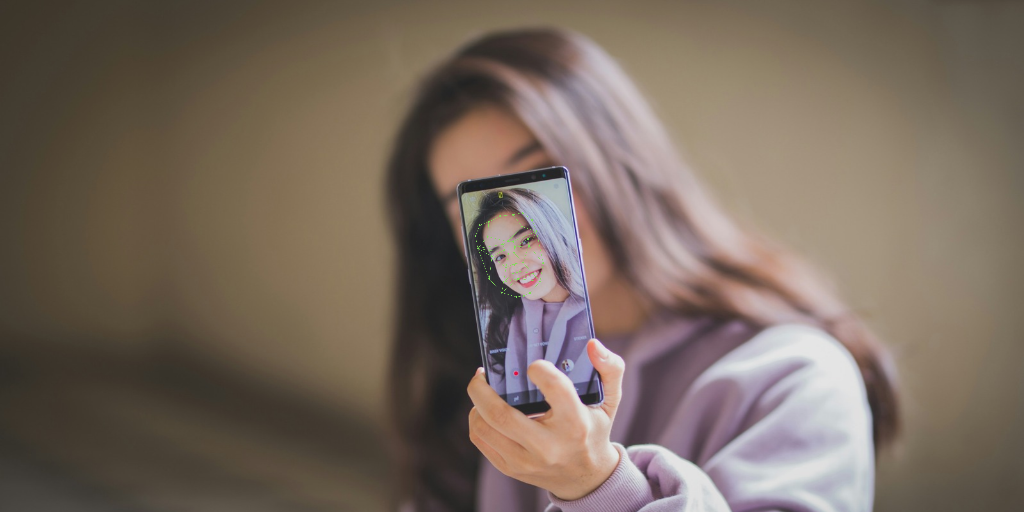
Forget relying on makeup to achieve the perfect selfie. Girls who want to alter their appearance for public consumption now have an arsenal of digital tools.
In the manner of magazines airbrushing famous faces, girls can now enhance their looks with a quick tap of their phone. Some so-called "surgery filters" mimic cosmetic procedures, with many remaining constant in videos.
Facetune is an app that features an astonishing array of filters and video- and photo-editing tools, all with a decidedly cosmetic bent. It’s popular for altering content prior to posting on social media. In a telling clue to how perniciously these filters target women and girls, FaceTune’s landing page features almost exclusively female-presenting models.
Generative AI has put Instagram Face on a rocket ship. In addition to chatbots like Grok or Gemini, which include image-generating capabilities, AI is heavily embedded in filters and editing tools on social media and Facetune.
Plastic surgeons report a surge in patients requesting surgery to look like digitally altered images, with Instagram and TikTok largely to blame. Although plastic surgery for minors remains rare, filters and AI images have helped normalize cosmetic procedures for teens.
The barrage of altered images can negatively impact how girls see themselves, reinforcing that their worth is tied to their appearance. These unattainable standards can lead to mental health issues, such as:
Although Instagram Face blends idealized features from different races, the final product reads as predominantly Caucasian, in what Tolentino calls a “distinctly white but ambiguously ethnic face.” This perpetuates Eurocentric beauty standards and is likely to disproportionately impact BIPOC girls.
In what has been called “Snapchat dysmorphia," girls can become preoccupied with resembling their digitally altered images.
Kim Anderson, PhD, regional clinical director of the East Region at Eating Recovery Center, told Parents magazine that she’s seen teen girls in her care who isolated themselves, refusing to go out because their image couldn’t be perfected through filters and editing.
Talk often about how unrealistic beauty standards are perpetuated online, and encourage your daughter to think critically about how those standards impact her and the culture.
Take occasional social media breaks as a family. Go one step further by encouraging her to regularly take photos and videos without any filters. (That means you, too!)
Your daughter can’t fight this battle alone. Stay tuned into what she’s up against.
Instagram Face is a heavily altered, homogenized look that’s flooded social media. It perpetuates unrealistic beauty standards through filters, editing apps, and AI. The impact can take a real toll on girls, from lower self-esteem to isolation.
You can push back by emphasizing your daughter’s positive qualities unrelated to her appearance, helping her think critically about what she sees online, and taking filter-free breaks together.
BrightCanary helps you spot if your daughter is engaging with problematic beauty content. Download it today to get started.
 UCLA/National Scientific Council on Adolescence Report on How to Improve Social Media for Tweens
 Study Shows That Majority of Parents Restrict Who Can See Posts About Their Children
 Teens Using Social Media to Self-Diagnose Mental Health Issues
 What Is Sammy’s Law? A Step Toward Safer Social Media for Kids