Text message scams, sometimes referred to as smishing, have increased by 50% in the past year. Unfortunately, scammers often target tweens and teens. It’s important to teach your child how to respond to a scam text so they can recognize red flags and how to respond. This guide breaks down how to teach your child to spot scam texts and what they should do when they receive one.
What are scam texts?
Scam texts are fake messages designed to trick the recipient into doing something that benefits the sender, such as by convincing the target to send them money.
Some scammers try to get personal information, which they will then use to steal their victim’s identity or break into their bank accounts. They may also sell the personal information to other scammers.
Common text scams targeting tweens and teens
College admission scams. Scammers take advantage of a stressful process by promising college admission or scholarships in exchange for a fee.
App scams. These messages offer free downloads or tell users they need to update an app by tapping a suspicious link.
Package delivery alerts. Scammers pretend to be a reputable shipping company and claim there was an issue delivering a package. They say the recipient must pay a “delivery fee” or sign into their account to get their package.
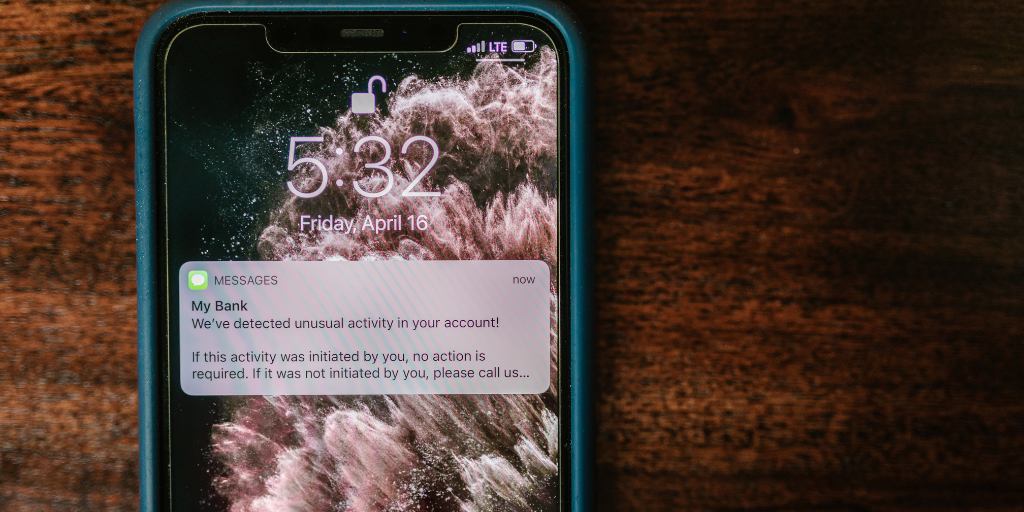
Suspicious activity. Scammers text a victim with a fake fraud alert, aiming to get the person to tap a phishing link.
Wrong number. With this scam, the message looks like it was meant for someone else. The goal is to strike up a conversation and gain the victim’s trust.
Free (fake) prizes, gift cards, or coupons. Everyone loves something free, and scammers love to take advantage of that — usually in exchange for personal information.
5 red flags that a text might be a scam
Mismatched URL. Watch for links with URLs that don’t match the company they claim to be from, or that include typos and spelling errors.
Messages from important entities such as banks, lawyers, or government departments. These scams try to establish a sense of authority.
Urgency. A message claiming a person has to respond in a short amount of time or else something bad will happen is a major red flag.
Credit card offers. Unsolicited credit card offers sent via text are almost never legitimate.
Manufactured FOMO. Watch for messages that claim scarcity, like concert tickets that are selling fast.
How should my child respond to a scam text?
In most cases, the best way to respond to a scam text is to not respond at all. Kids often think they have to respond to a text. Teach them that when in doubt, don’t reply.
Here are some other ways you can talk about responding, especially if they aren’t sure if a message is a scam:
Never send personal information. Teach your child to never send personal information like bank account numbers or passwords over text.
Don’t click on links. Scammers love to send fake links. When a victim clicks on the link, they’ll either be prompted to enter personal information, or malware will be installed on their device that will steal their personal or financial information without them realizing it.
Report it. Your child should immediately tell you or another trusted adult about a suspected scam. If necessary, you can then help them report it to the proper authorities.
To report sextortion or other forms of abuse, Call 1-800-CALL-FBI or report it online.
To report financial scams: Contact your bank and ask them to reverse the charges, then report it to the Federal Trade Commission, either online or by calling 1-877-382-4357.
What can I do to protect my child against scam texts?
Prevention is the best protection.
Teach them what to watch for. Help them learn to spot scam texts, and explain that if something seems too good to be true, it usually is.
Make sure they know what to do if they get a scam text. Tell your child how to respond if they receive a text they suspect is a scam. Most of the time, they can just ignore it.
Monitor their texts. WithBrightCanary’s advanced text message monitoring, you can keep an eye out for scams. The Protection plan monitors everything they type so you can see if they’re sending personal information over text. Our Text Message Plus plan goes a step further and lets you see the texts they receive, so you can watch for scam texts.
In short
Text scams are on the rise, and even kids can be targeted. To protect your child, teach them how to respond to a scam text, such as not responding, never sending personal information, and reporting the incident.
BrightCanary offers the most comprehensive monitoring of your child’s text messages. Our advanced AI scans their texts and alerts you to anything suspicious so you can spot scams right away and intervene. Download BrightCanary today to get started.